Sanibel Symposium 2026: Key Clinical and Workforce Takeaways for Perfusion Leaders
The conversations that shape the future of perfusion rarely happen in isolation.
They happen when researchers challenge conventional thinking. When clinicians share hard-earned lessons from the bedside. When students ask questions that force experienced practitioners to rethink long-held assumptions. And when professionals from around the world gather with a shared goal of improving patient outcomes.
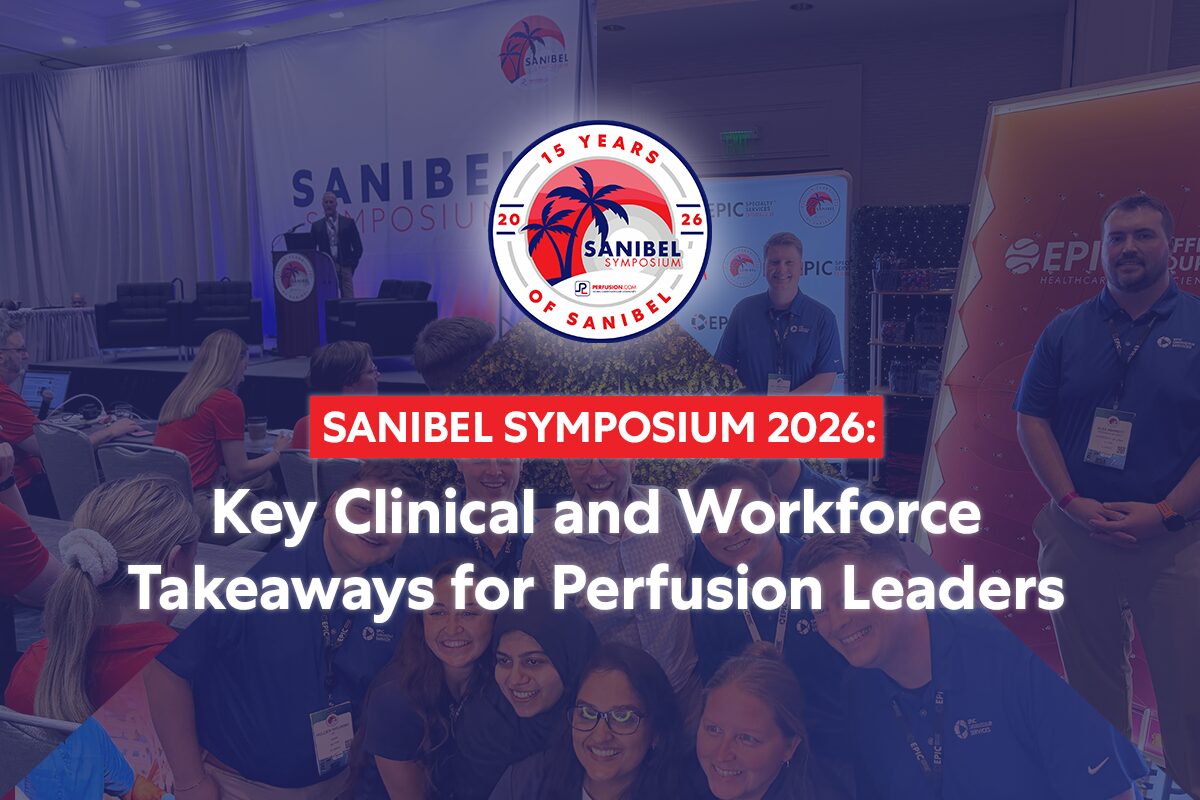
That is exactly what happened at Sanibel Symposium 2026.
Celebrating its 15th year, the Sanibel Symposium once again brought together leading researchers, clinicians, educators, industry innovators, and future perfusionists from around the globe. Across four days of scientific sessions, workshops, networking, and discussion, one message became clear: perfusion is entering a period of accelerated change.
From artificial intelligence and proteomics to workforce sustainability, ECMO leadership, transplantation, and the growing role of perfusionists in emerging clinical applications, the profession is confronting important questions about where it is headed next.
As Sanibel Program Manager Richard Issitt put it:
“The theme throughout the presentations was that of challenging what we know; don’t just accept something because it’s always been done that way if you can’t explain why that is.”
For perfusion leaders, that mindset may be the most important takeaway from this year’s meeting.
Sanibel Symposium Spotlighted a Profession Expanding Beyond Traditional Boundaries
One of the strongest themes throughout Sanibel Symposium 2026 was the continued expansion of the perfusion profession’s role across healthcare.
Normothermic Regional Perfusion (NRP) generated significant discussion among attendees and speakers alike, reflecting both its growing clinical adoption and the questions that come with rapid innovation.
Moderator Bridgett Keeley, CCP, has been closely following NRP’s emergence and sees it becoming an increasingly important topic for perfusionists.
But the conversation extends beyond technology alone.
As new clinical opportunities emerge, so do questions around training, standardization, staffing, and professional ownership.
Moderator Luc Puis noted that while NRP continues to show promising outcomes, perfusionists must remain engaged in shaping its future.
“The only thing that would worry me as a CCP is that a different group will try to take over.”
The same concerns surfaced around ECMO, where discussions focused not only on clinical advancements but also on maintaining perfusion’s leadership role as programs continue to expand.
Bridgett observed strong audience engagement whenever workforce protection and patient safety were discussed.
“Safety, N+1 staffing, and protecting our roles in ECMO and NRP were topics that I think people feel very strongly about.”
For department leaders, these discussions reinforced an important reality: workforce planning and clinical strategy can no longer be viewed separately. The organizations that successfully navigate emerging therapies will be those that invest in both innovation and the people required to deliver it safely.
The Data Revolution Is Coming to Perfusion
While discussions around staffing and professional growth were prominent, the scientific program made one thing abundantly clear: the future of perfusion will be increasingly driven by data.
Artificial intelligence, machine learning, computational fluid dynamics, genomics, and proteomics were among the most discussed scientific topics throughout the conference.
Luc described the shift as one of the most exciting developments happening in the field today.
“A new approach to looking at Inflammatory Response on CPB, and with that, the emergence of artificial intelligence and new computational and statistical methodologies to approach existing problems with fresh eyes.”
For Richard, the implications are even broader.
“Without a doubt for me, it will be the integration of proteomics and genomics into perfusion research.”
The ability to better understand how patients respond biologically before, during, and after bypass has the potential to transform everything from patient management strategies to therapeutic development.
Even more significant may be the infrastructure needed to support this next generation of research.
Richard challenged the profession to rethink how perfusion data is collected and analyzed.
“Centers need to throw away the pen and paper, invest in electronic data capture, and join with international efforts to create a new perfusion registry that uses continuous data capture.”
For years, perfusionists have collected enormous amounts of clinical information. The next step is turning that information into actionable intelligence capable of improving patient outcomes on a global scale.
Translating Research into Practice Remains a Core Strength of the Sanibel Symposium
Scientific discovery matters most when it improves patient care.
One reason the Sanibel Symposium continues to resonate with attendees is its ability to bridge the gap between laboratory research and clinical practice.
Bridgett highlighted the importance of presentations that connect emerging evidence directly to everyday patient care.
“I think perfusionists like to hear about what’s going on in research and how it translates to the operating room.”
This year’s program featured particularly strong discussions around acute kidney injury prevention, blood management, inflammatory response, hemolysis, transplantation, and goal-directed perfusion.
According to Luc, one of the most valuable aspects of the meeting was the collaboration it fostered between researchers and clinicians.
“The incredible networking that was facilitated this year by bringing together basic and clinical researchers and thus forming a bridge between what is found out in a lab and bringing that into clinical practice.”
That collaboration is becoming increasingly important as research grows more sophisticated and multidisciplinary.
The future breakthroughs in perfusion will not come from a single center, specialty, or country. They will emerge from global networks of clinicians, scientists, engineers, and educators working together to solve shared challenges.
The Future of Perfusion Was Sitting in the Front Row
Beyond the scientific sessions and workforce discussions, another theme stood out throughout Sanibel Symposium 2026: the profession’s future is bright.
Students and interns were highly visible throughout the conference, participating in sessions, networking events, scholarship presentations, and discussions with experienced clinicians from around the world.
For Bridgett Keeley, that matters.
“There is a huge influx of new, young perfusionists coming into the workforce.”
The Sanibel Internship Program continues to provide students with opportunities that extend far beyond conference attendance. Interns gain exposure to research, clinical leadership, professional networking, and the broader conversations shaping the future of perfusion.
For intern Colt VanCampen, the experience exceeded expectations.
“Sanibel reinforced my desire to never let my practice become stagnant and encouraged me to always be looking for ways to elevate patient care.”
Nicole Danielson described a similar experience after presenting during the Jeff Riley Memorial Scholarship program.
“It felt empowering, and with everyone’s encouragement, I felt so supported.”
This year also marked the inaugural Wayne Pino Outstanding Intern Award, presented to Holden Nieukirk.
Reflecting on his experience, Holden highlighted something that many seasoned attendees would likely agree with.
“These meetings give us a chance to connect with our peers while challenging our everyday practice, prompting us to consider new ways to use our skill set to provide patients with the best possible outcomes.”
Perhaps most telling was his perspective on the value of the conference itself.
“I can confidently say that I made some lifelong friends from this conference from all around the globe.”
That sense of community has always been one of Sanibel’s defining strengths. It is also one of the profession’s greatest assets as it prepares for the challenges ahead.
Looking Ahead: What Perfusion Leaders Should Watch Next
If there was a common thread running throughout the Sanibel Symposium 2026, it was progress.
The conversations that generated the most engagement often focused on areas where perfusionists have an opportunity to lead:
- Artificial intelligence and machine learning
- Proteomics and genomics research
- ECMO expansion and innovation
- NRP adoption and standardization
- Transplantation medicine
- Goal-directed perfusion
- Safety and quality initiatives
- Advanced clinical data capture
- Neurocognitive outcomes following cardiac surgery
- Sustainable staffing models
Each topic carries important implications for patient care, workforce development, and the future of the profession.
The challenge for leaders is not simply staying informed. It is creating cultures that encourage curiosity, critical thinking, and continuous improvement.
Sanibel Symposium: Driving the Conversations Shaping the Future of Perfusion
The strongest message from Sanibel Symposium 2026 was not tied to a single technology, staffing model, or clinical breakthrough.
It was the recognition that perfusion is evolving rapidly, and the profession’s future will be shaped by those willing to challenge assumptions, embrace evidence, invest in people, and collaborate across disciplines.
The conversations that began in Bonita Springs will continue long after attendees have returned home.
At Perfusion.com, we remain committed to advancing those conversations by connecting perfusionists with the research, education, professional insights, and community that help move the profession forward.
Because the future of perfusion is not being built by a handful of individuals.
It is being built by a global community willing to ask what comes next.
Where Are They Now? Catching Up with the Sanibel Symposium Interns
One of the most rewarding aspects of the Sanibel Symposium Internship Program is watching students take what they learn at the conference and apply it as they begin their clinical careers. Following the Sanibel Symposium 2026, this year’s interns are already putting those experiences into practice.
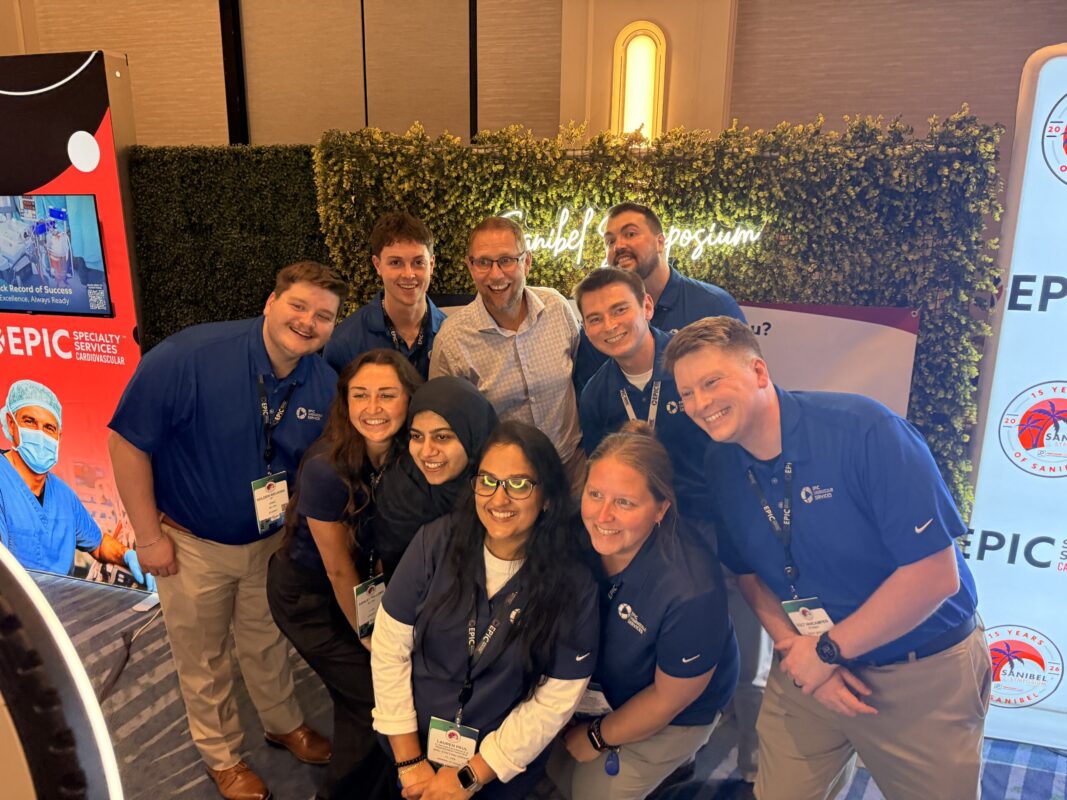
Colt VanCampen
After returning from Sanibel, Colt is wrapping up his didactic semester and preparing to begin clinical rotations.
With hands-on training just around the corner, he is eager to build on the lessons, perspectives, and professional connections gained during the symposium as he takes the next step in his perfusion education.
Nicole Danielson
Nicole recently began clinical rotations and is preparing for an ambitious year ahead.
Over the next 12 months, she will complete rotations at six different sites across six states, gaining exposure to a wide range of clinical environments and perfusion teams. Nicole credits the confidence and encouragement she gained at Sanibel as she embarks on this exciting chapter of her training.
Holden Nieukirk
The inaugural recipient of the Wayne Pino Outstanding Intern Award, Holden is currently completing his summer clinical semester and continuing work on his thesis at the University of Nebraska Medical Center.
As he prepares for disaster labs and upcoming clinical rotations beginning in August, Holden remains focused on expanding his clinical experience while continuing to build upon the relationships and professional insights gained through the Sanibel Symposium Internship Program.
About Bridgett
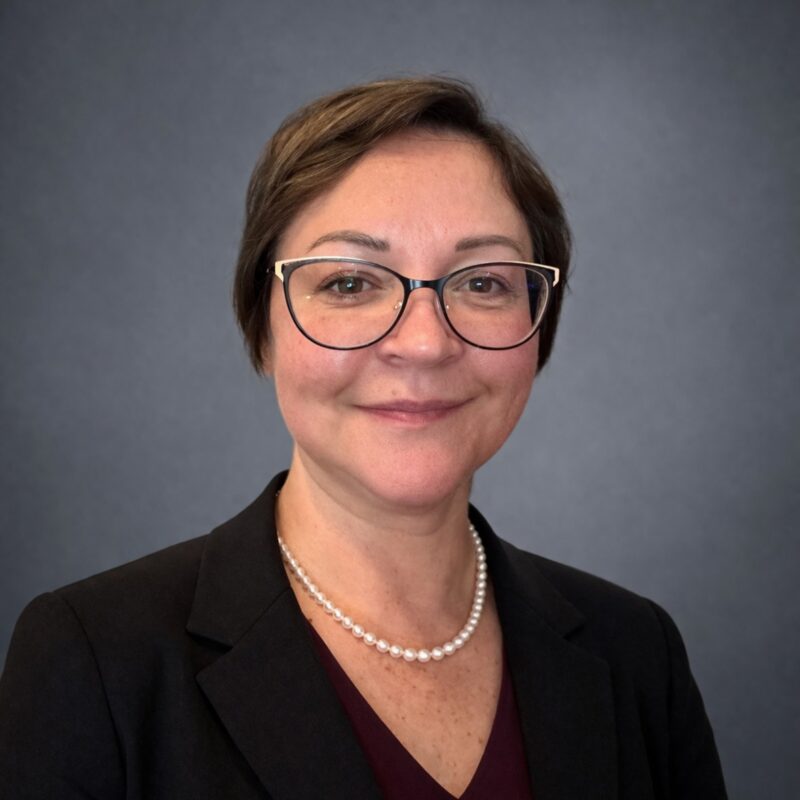
Bridgett Keeley is a Traveling Perfusionist with Altamar Cardiovascular. She has 26 years of experience as a CCP. Bridgett spent her career working in VA and WV until joining the travel team in 2019. She enjoys interacting with various perfusion teams in her travels and learning new things from each place. Her goal as a traveler is to be as useful as she can be on any given day and to help the team she is working with.
In her free time, she enjoys spending time with her husband, two sons, and her beagle mix, Luna. Her favorite things are crochet, collecting yarn, and her Book Club.
About Luc
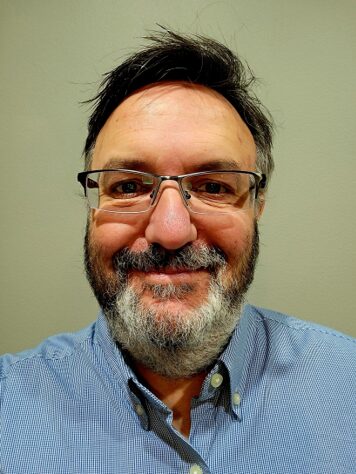
Luc Puis brings a uniquely multidisciplinary perspective to Altamar Cardiovascular, with a background spanning nursing, perfusion, respiratory therapy, and patient safety analysis. Soon adding ECMO Specialist to that list, Luc approaches every aspect of his work with one guiding principle in mind: the patient hanging on the other end of the tubing.
With Altamar Cardiovascular, Luc is constantly on the lookout for researchers, scientists, clinicians, and anyone who could potentially deliver a good presentation at the Sanibel Symposium. Developing a program that involves stakeholders ranging from basic researchers to clinical practitioners and everywhere in between is a great passion of his. During the Sanibel Symposium, you will find Luc mostly in the presentation room, listening to presentations, moderating sessions, and asking questions. But most of all, he will try to connect with people so that they can shine even better together.
About Richard
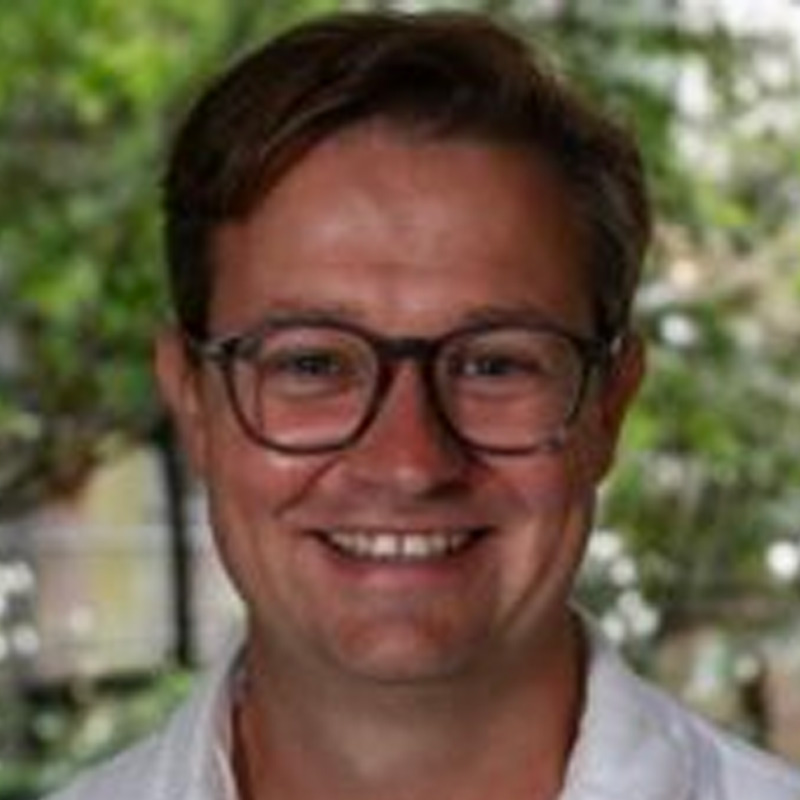
Richard Issitt entered the perfusion profession after beginning his career in genetics research, a path that ultimately led him to discover a passion for perfusion and pediatric patient care. Today, he balances research, education, and clinical practice while supporting PhD and postdoctoral researchers and contributing to the advancement of perfusion science worldwide.
Richard has become a respected voice in perfusion research and education, helping foster international collaborations that continue to shape the future of the profession. His commitment to scientific inquiry and critical thinking has made him a driving force behind many of the conversations that define the Sanibel Symposium.