The Pulse on Perfusion: Navigating the Conversation Around Cell Salvage in Oncologic Surgery

Cell salvage has long been an important tool in blood conservation, helping reduce reliance on allogeneic transfusions during procedures where significant blood loss is expected. However, its role in oncologic surgery remains an ongoing topic of discussion due to concerns surrounding the potential reinfusion of tumor cells.
This month’s Pulse on Perfusion explored how perfusion professionals view cell salvage use in cancer surgery, what factors influence clinical decision-making, and what changes could help increase confidence in expanding its use. The responses reveal a profession weighing the benefits of blood conservation against the need for clear evidence and safety assurances.
Poll Results at a Glance
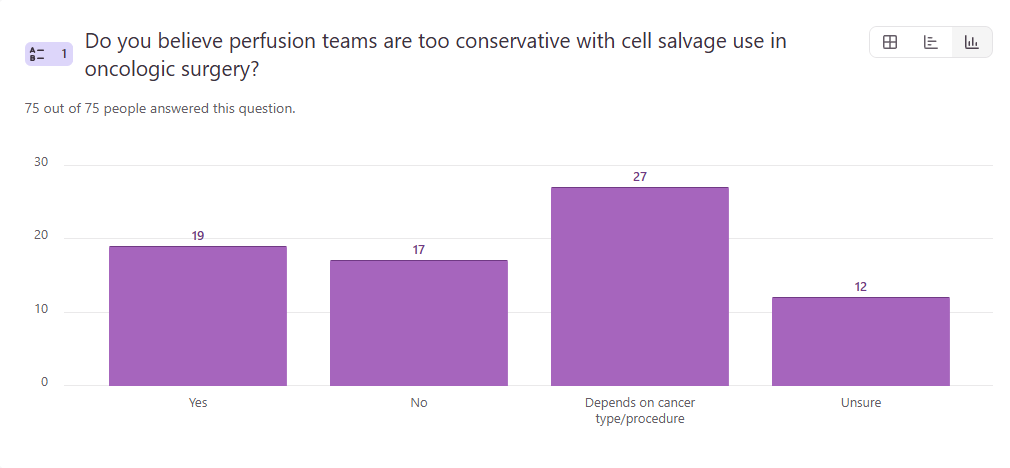
Question 1: Do you believe perfusion teams are too conservative with cell salvage use in oncologic surgery?
- Depends on cancer type/procedure – 36%
- Yes – 25.3%
- No – 22.7%
- Unsure – 16%
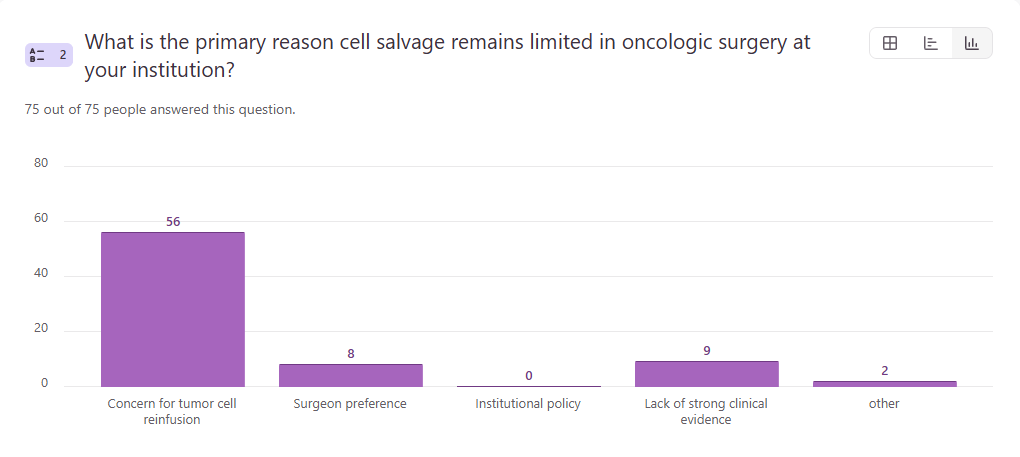
Question 2: What is the primary reason cell salvage remains limited in oncologic surgery at your institution?
- Concern for tumor cell reinfusion – 74.7%
- Lack of strong clinical evidence – 12%
- Other – 2.7%
- Surgeon preference – 0%
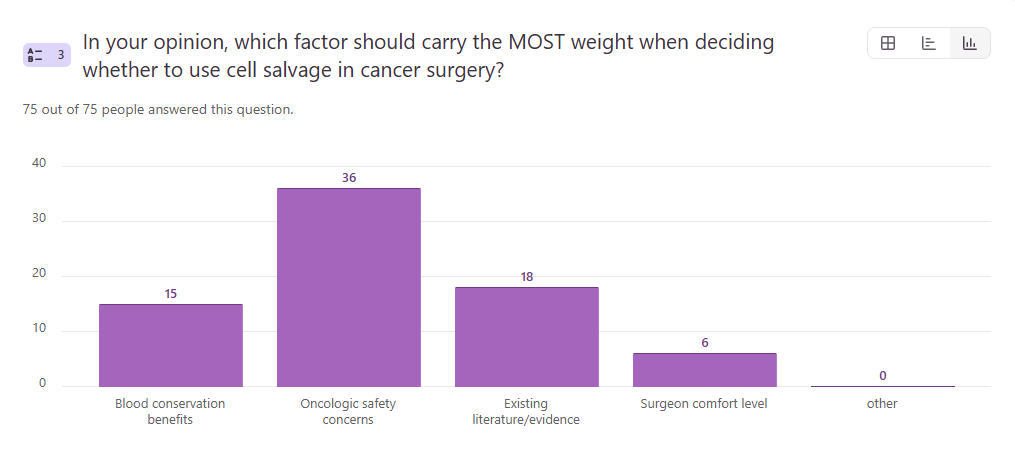
Question 3: In your opinion, which factor should carry the MOST weight when deciding whether to use cell salvage in cancer surgery?
- Oncologic safety concerns – 48%
- Existing literature/evidence – 24%
- Blood conservation benefits – 20%
- Surgeon comfort level – 8%
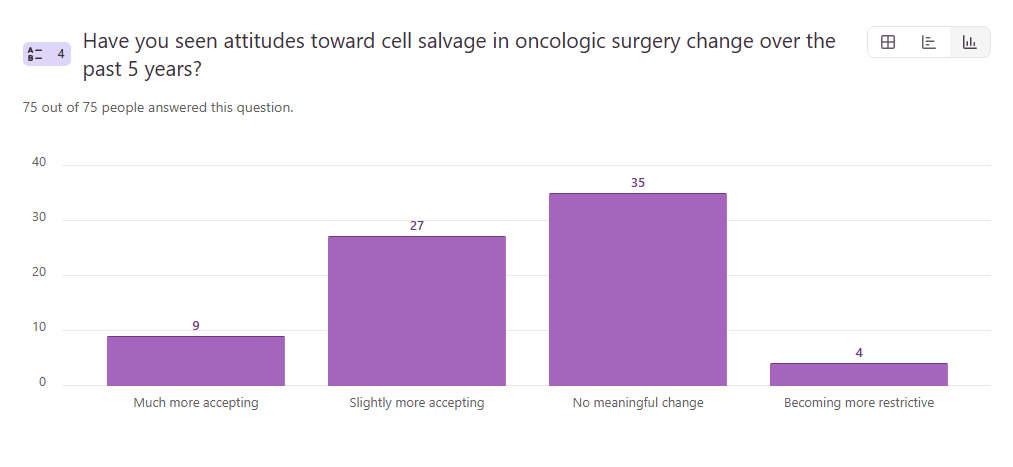
Question 4: Have you seen attitudes toward cell salvage in oncologic surgery change over the past 5 years?
- No meaningful change – 46.7%
- Slightly more accepting – 36%
- Much more accepting – 12%
- Becoming more restrictive – 5.3%
Question 5: What would need to change for you or your institution to feel more comfortable expanding cell salvage use in oncologic surgery?
Respondents highlighted the need for stronger evidence, clearer guidelines, improved education, and greater confidence around the safety of reinfusing salvaged blood.
Job Roles
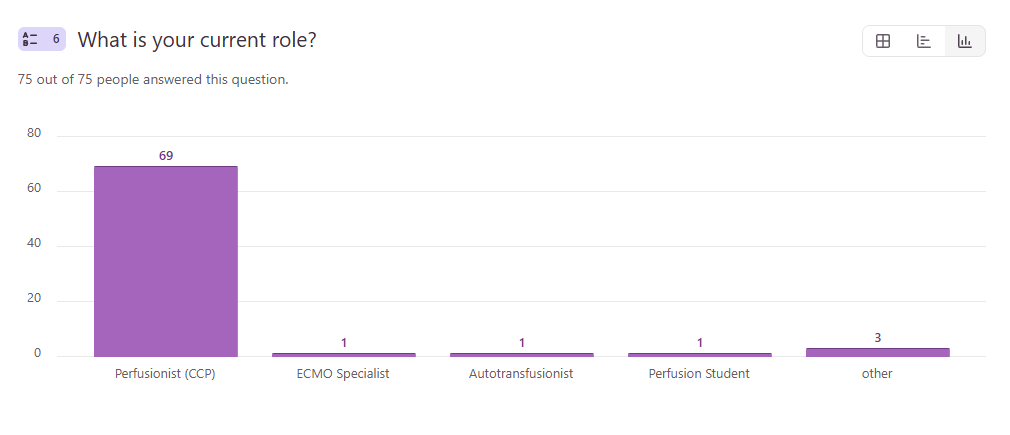
- Perfusionist (CCP) – 92%
- Other – 4%
- ECMO Specialist – 1.3%
- Autotransfusionist – 1.3%
- Perfusion Student – 1.3%
Age Demographics
- 60+ – 32%
- 50-59 – 25.3%
- 40-49 – 22.7%
- 30-39 – 16%
- Under 30 – 4%
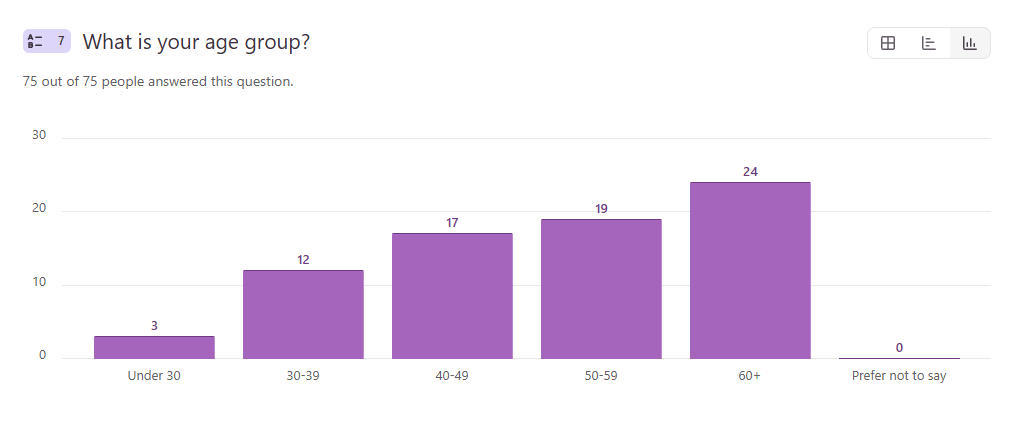
The responses primarily reflect the perspectives of experienced perfusion professionals, with more than half of respondents aged 50 or older and 92% identifying as Certified Clinical Perfusionists. This provides insight into how clinicians with extensive firsthand experience view the evolving role of cell salvage in oncologic procedures.
Question 1: Are Perfusion Teams Too Conservative with Cell Salvage Use?
The results show that opinions remain divided, with the largest group (36%) believing the answer depends on the cancer type or procedure. While 25.3% believe perfusion teams are too conservative, nearly the same percentage (22.7%) believe current practice is appropriate.
These responses highlight the complexity of decision-making in oncologic surgery. Unlike other procedures where expected blood loss may be the primary consideration, cancer cases require clinicians to weigh additional factors, including tumor characteristics, surgical approach, available evidence, and institutional protocols.
The fact that no single response dominated suggests that there is not a universal approach to cell salvage in oncology. Instead, many clinicians appear to favor case-by-case decision-making based on the specific risks and benefits involved.
Question 2: What Is Limiting Cell Salvage Use in Oncologic Surgery?
Concern over tumor cell reinfusion was overwhelmingly identified as the primary barrier, selected by 74.7% of respondents. This far exceeded all other responses, including lack of strong clinical evidence (12%), indicating that safety concerns remain the central factor influencing adoption.
Interestingly, surgeon preference was not selected by any respondents as the primary reason for limited use. This suggests that while surgeon attitudes may influence implementation, the broader issue is likely uncertainty surrounding oncologic safety rather than resistance from individual providers.
The results reinforce that expanding cell salvage use in cancer surgery will likely depend on continued research, stronger clinical evidence, and clearer guidance around when and how the technology can be used safely.
Question 3: What Should Carry the Most Weight When Making the Decision?
When determining whether to use cell salvage during cancer surgery, respondents placed oncologic safety concerns above all other factors. Nearly half (48%) selected safety as the most important consideration, followed by existing literature and evidence (24%) and blood conservation benefits (20%).
These results reflect the careful balance clinicians must navigate. While reducing exposure to donor blood remains an important goal, respondents indicated that potential oncologic risks must be addressed before expanding utilization.
The relatively strong support for evidence-based decision-making also stands out. Combined, the top two responses show that many clinicians are looking for objective data to guide practice rather than relying solely on tradition, preference, or theoretical concerns.
Question 4: Have Attitudes Toward Cell Salvage in Oncologic Surgery Changed?
Nearly half of respondents (46.7%) reported no meaningful change in attitudes toward cell salvage use in oncologic surgery over the past five years. However, another 48% reported that attitudes have become either slightly or much more accepting, suggesting gradual movement toward greater openness.
The results indicate that perceptions are evolving, but change has been incremental rather than widespread. Increased acceptance may reflect growing familiarity with available research, improvements in filtration technology, and continued discussion around patient blood management.
At the same time, the large percentage reporting no change suggests that uncertainty remains a significant factor. Without additional evidence or standardized recommendations, many institutions may continue to approach cell salvage in oncologic procedures cautiously.
Question 5: What Would Increase Confidence in Expanding Cell Salvage Use?
The written responses revealed a consistent theme: clinicians want more evidence, clearer guidance, and greater confidence before expanding cell salvage use in oncologic surgery.
The Need for Stronger Evidence
Many respondents pointed to research as the biggest factor that could change practice. Several called for more clinical studies, randomized controlled trials, and definitive data demonstrating the safety of reinfusing salvaged blood.
One respondent wrote:
“Definitive research showing no/acceptable risk of reinfusion of cancerous cells.”
Another emphasized the importance of:
“Hard clinical data, and protocols supporting its use.”
These responses highlight that many clinicians are not dismissing the potential benefits of cell salvage. Instead, they are looking for stronger evidence to support broader adoption.
Clearer Guidelines and Protocols
Beyond research alone, respondents expressed a desire for more specific recommendations around when cell salvage is appropriate. Several noted that guidance based on tumor type, procedure, or risk level would help clinicians make more consistent decisions.
One respondent shared:
“To have materials that [say] use it in that and this type of tumor…”
Others called for “more scientific evidence and comprehensive guidelines” to help standardize practice across institutions.
Education and Provider Confidence
Some respondents also identified education as an important piece of the conversation. Improving surgeon awareness and creating stronger alignment between surgical teams and perfusion professionals could help ensure decisions are based on current evidence rather than outdated assumptions.
As one respondent noted:
“Surgeon awareness for the benefits of still using cell salvage.”
Overall, responses suggest that expanding cell salvage use in oncologic surgery will require a combination of evidence, education, and collaboration. While many clinicians recognize the potential value of blood conservation, confidence will depend on having the data and guidance needed to support safe implementation.
Reflections on Cell Salvage in Oncologic Surgery
This month’s Pulse on Perfusion highlights the complexity of balancing blood conservation with oncologic safety. While many respondents see potential opportunities to expand cell salvage use, they also emphasized that confidence must be built through research, clear protocols, and multidisciplinary collaboration.
As evidence continues to evolve, the conversation around cell salvage in cancer surgery will likely remain an important part of patient blood management discussions. The responses demonstrate that clinicians are open to progress, but they want that progress to be guided by data and thoughtful clinical decision-making.
Stay tuned for the next Pulse on Perfusion as the series continues to share insights from across the community.
Appendix of Additional Insights
- Experienced clinicians shaped the conversation. More than half of respondents were age 50 or older, including 32% who were 60+, providing perspectives from many years of clinical practice.
- Safety remains the defining concern. While respondents differed on whether cell salvage is underused, overused, or appropriately used, there was strong agreement that oncologic safety considerations must be addressed before broader adoption.
- The profession is divided on the pace of change. Nearly half of respondents reported seeing no meaningful change in attitudes over the past five years, while a similar percentage observed increasing acceptance. This suggests that adoption trends may vary significantly between institutions.