The Pulse on Perfusion: Insights on the Women in Perfusion Committee

At Perfusion.com, we believe that meaningful conversations are the heartbeat of a thriving professional community. That’s why we’ve revived our monthly polls – an initiative that once sparked vibrant discussion across our network. These quick polls are designed to give voice to the perspectives shaping our field and to better understand the challenges, ideas, and opportunities surfacing across our diverse workforce.
To kick off the return of the series, we asked the Perfusion.com members:
“AmSECT recently formed a Women in Perfusion Committee. What impact do you feel initiatives like this have on the perfusion community?”
Poll Results at a Glance
- They create new opportunities for engagement – 29.3%
- They help move the field forward – 26.2%
- I’m neutral / not sure yet – 24.6%
- They are unnecessary and set the field back – 19.9%
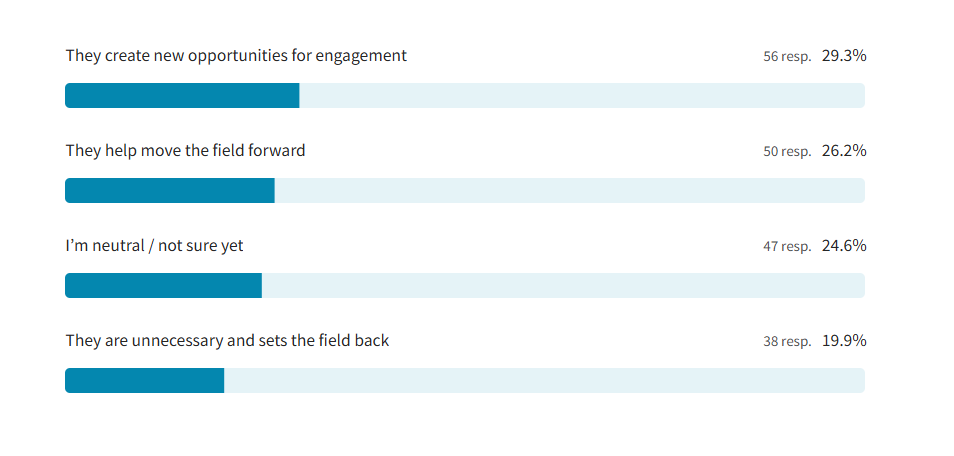
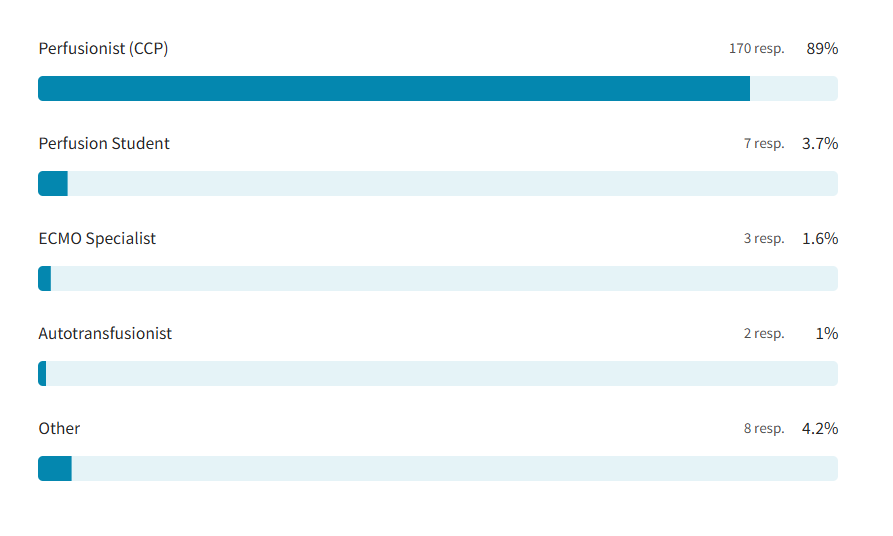
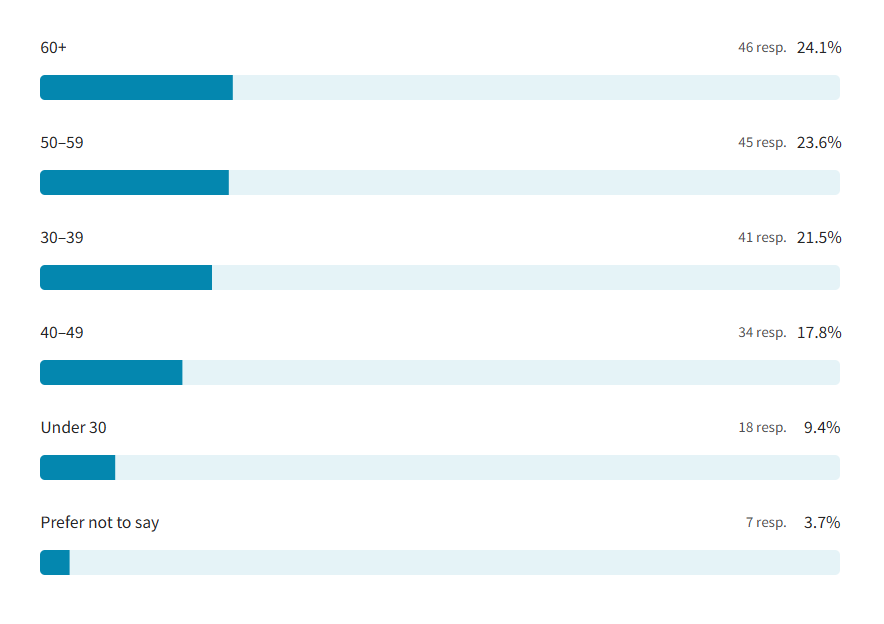
This breakdown reflects a professional community that’s engaged, divided, and, in some cases, still determining how it feels about identity-based initiatives in healthcare. The vast majority of respondents were certified clinical perfusionists (89%), and responses came from across generations, with the largest age groups being 60+ (24.1%) and 50–59 (23.6%).
Profession:
Age Demographics:
Let’s take a deeper look into the community’s perspectives – the support, the caution, and everything in between.
Opening Doors: “They Create New Opportunities for Engagement” – 29.3%
The most common response centered on engagement and representation. For many, the formation of a Women in Perfusion Committee reflects an overdue recognition of gender-specific experiences and a chance to create intentional spaces for connection and support.
One respondent shared:
“Being a woman in this field is extremely difficult while trying to navigate having children and taking care of your family. It is a valuable resource to have women well established in the field be able to provide personal information and support to new hires beginning to navigate these new challenges.”
Others emphasized that diversity encourages innovation and brings new energy to professional development:
“Diversity of thought is a good thing. Engaging with others opens opportunities to share information and create new ideas.”
Many respondents acknowledged the progress the field has made in gender representation but noted that the sense of belonging and visibility still lag behind. This committee, in their view, provides both recognition and action – a platform to build mentorship, community, and new leadership opportunities.
Shaping the Future: “They Help Move the Field Forward” – 26.2%
Closely following in support was the belief that the initiative would advance the profession – not just for women, but for perfusion as a whole. Many saw it as a forward-looking move that acknowledges the realities women face in a demanding clinical field.
Several respondents pointed to the long-overdue acknowledgment of gendered challenges, particularly around issues like returning from maternity leave, breastfeeding, and navigating on-call demands.
One perfusionist reflected:
“Committees like this one help shape the future of the field. It keeps things relevant from both a clinical and sociopolitical perspective.”
Another noted:
“Women are innovative and deserve an equal spot at the table.”
These voices see the committee not as a side conversation, but as a strategic and inclusive step toward evolving the field – one that keeps pace with the diverse lives and needs of its workforce.
Watching and Waiting: “I’m Neutral / Not Sure Yet” – 24.6%
Nearly a quarter of respondents indicated that they were still forming their opinions. This group represents an important middle ground: open-minded but cautious, watching to see how the committee’s work will unfold.
Some may feel supportive in theory but uncertain about the committee’s execution or long-term impact. Others may be weighing the need for identity-based groups against the profession’s goal of unity and merit-based advancement.
“I’m curious what topics come up.”
This neutral response hints at a desire for clarity and transparency – about the committee’s goals, how inclusive it will be, and how it will integrate with existing professional structures.
In many ways, this group reflects a healthy skepticism, rooted not in opposition but in a desire to see the initiative deliver measurable benefit to the entire community.
Concerned About Division: “They Are Unnecessary and Set the Field Back” – 19.9%
A significant minority voiced opposition to the initiative, raising concerns about division, preferential treatment, and identity politics. These respondents felt that separating the profession by gender risked undermining a merit-based, team-oriented culture.
As one respondent put it:
“As a woman, I understand we do have different issues we face in this field that men don’t (as do all fields), but unless this group is just for us to make friends and socialize, I really don’t see the need to separate genders or ask for any special treatment. I feel that is the opposite of equality and won’t earn our respect and just set us back. Proud to be a woman because I know I face hardships and still work just as hard or harder. That’s how we should be earning respect. Not expecting others to cater to us or treat us differently.”
Another echoed a similar sentiment:
“We should be focusing on uniting our profession rather than causing a divide.”
Some female respondents within this group expressed discomfort with being singled out, suggesting that their achievements stand on merit alone and don’t require extra attention.
While these voices were in the minority, they offer an important perspective on how inclusion efforts are perceived, especially when they touch on sensitive issues like gender, equity, and professional identity.
A Profession in Conversation: Final Thoughts on the Women in Perfusion Committee
What this first poll reveals is that the perfusion community is anything but passive. Respondents brought passion, personal experience, and critical thought to the table. While a majority support the Women in Perfusion Committee for its potential to engage and advance the field, others remain skeptical or undecided, raising important questions about unity, merit, and the role of professional advocacy groups.
As we continue our monthly poll series, one thing is clear: perfusionists care deeply about the future of their field and aren’t afraid to speak up. These discussions, whether in agreement or dissent, are a sign of a vibrant professional community. And we’re proud to provide the space for them.
Stay tuned for the next poll and blog, where we’ll continue amplifying your voices and perspectives!
Appendix of Additional Insights:
General Trends by Age Group
1. Younger Respondents (Under 30)
- Most positive group overall: 94.5% gave a favorable response.
- 56% said these initiatives create new opportunities for engagement.
- 39% said they help move the field forward.
- 56% said these initiatives create new opportunities for engagement.
- Only 1 person (5.6%) said the initiatives set the field back.
- No neutral responses, suggesting clear opinions.
2. Ages 30–39
- More evenly spread:
- 31.7% believe the initiatives move the field forward.
- 29.3% say they create opportunities.
- 22% feel they set the field back.
- 17.1% were neutral.
- 31.7% believe the initiatives move the field forward.
- Reflects a moderate but still generally optimistic view.
3. Ages 40–49
- The most neutral group (38.2%).
- Lower levels of enthusiasm:
- Only 17.6% said the initiatives move the field forward (lowest of any group).
- Only 17.6% said the initiatives move the field forward (lowest of any group).
- Indicates a group that may be skeptical or waiting to see impact.
4. Ages 50–59
- Strong positivity:
- 44.4% say it creates opportunities.
- 28.9% say it moves the field forward.
- 44.4% say it creates opportunities.
- Only 15.6% say it sets the field back (lowest of the older age groups).
5. Ages 60+
- Mixed opinions:
- 29.8% neutral.
- 25.5% see opportunities, and 21.3% see forward momentum.
- 29.8% neutral.
23.4% say it sets the field back—the most resistant group alongside 30–39.
Key Insights
- Younger respondents (<30) are most supportive and decisive.
- 40–49 is the most hesitant, with high neutrality and low enthusiasm.
- 50–59 shows a promising balance of optimism and engagement.
- Skepticism increases slightly with age, but does not drastically spike.
Across all groups, the highest support tends to favor “creating opportunities” over “moving the field forward”—suggesting openness to experimentation, but possibly some uncertainty about long-term impact.