World's Largest Resource for Cardiovascular Perfusion

TN

In just 22 months, you can transform your future in a profession with life-saving and life-changing outcomes for the patients you serve. Our cardiovascular perfusion curriculum prepares you to enter a highly skilled and desired position within the surgical theater. Lipscomb has developed partnerships all around the country that will ensure the highest quality clinical placements during your education and offer you excellent job opportunities after graduation. Additionally, a master’s degree provides you with the training to be more experienced than candidates with a certificate. As a Lipscomb student, you’ll be training in a state-of-the-art simulation center, uniquely equipped to provide hands-on learning in a low-risk environment during your didactic training. All prerequisite science courses must be taken within seven years of matriculation. A minimum 3.0 cumulative GPA is required on a 4.0 scale. Additionally, all applicants will be expected to have earned a C or above in the required prerequisite courses.

Lipscomb UniversityLipscomb UniversityLipscomb University

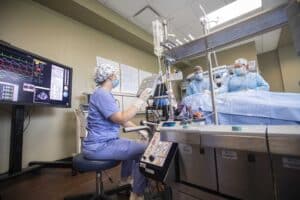
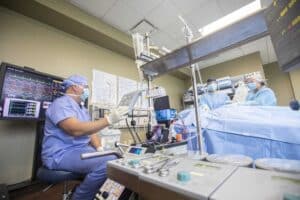
Cardiovascular Perfusion Technology involves the study of physiology, pathology and associated equipment used to support and/or assume the function of the heart and/or lungs during medical procedures. The perfusion technologist prepares and operates the heart-lung machine and other sophisticated equipment as directed by healthcare physicians. The perfusionist measures various blood and other parameters to identify appropriate mechanical, pharmacological and thermal manipulation to maintain tissue viability. To perform these tasks the perfusionist must have a thorough understanding of the both respiratory and circulatory systems and be able to operate complex equipment. Additionally the perfusionist must be capable of handling stressful situations, pay great attention to detail, communicate effectively, and be willing to stay abreast of new developments in the profession.

While most perfusionists are employed by medical centers they may also be hired by individual surgeons, or perfusion companies. Clinical perfusion often requires on-call responsibilities at night, on weekends and holidays. Perfusionists also work in educational institutions as teachers and/or researchers. Further, some perfusionists are hired by industry that manufacture various perfusion related supplies and equipment.